
Air conditioning service involves a comprehensive set of processes designed to maintain, inspect, and optimize the performance of air conditioning (AC) systems. Understanding these maintenance processes and their potential benefits may help property owners, facility managers, and users ensure consistent indoor comfort and potentially extend equipment lifespan. The focus on AC service relates specifically to regular maintenance methods, system checks, and the general advantages often linked to proper upkeep, rather than the installation of new systems or urgent repairs.
Routine maintenance within AC service typically includes steps such as skill-based inspections, cleaning internal components, monitoring refrigerant levels, and evaluating energy efficiency. Different parts of an AC unit may require individual attention to function optimally and minimize operational faults. Maintenance intervals can vary depending on manufacturer guidance, climate conditions, and equipment use, with many industry sources suggesting professional servicing at least once annually. The overall objective is to maintain reliable cooling performance while potentially reducing avoidable breakdowns or energy waste.
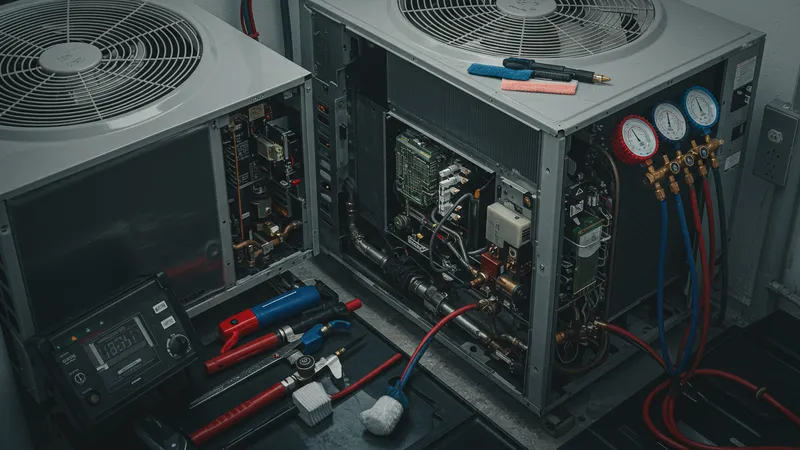
Regular filter maintenance forms a core component of most AC service schedules. Filters can collect dust, pollen, and other airborne particles over time. If not changed or cleaned, air filters may impede system airflow and could contribute to reduced indoor air quality. Most guidelines indicate that filters should be checked and, when needed, replaced or cleaned every one to three months, although frequency may depend on usage and environmental exposure.
Evaporator and condenser coils play essential roles in the heat exchange process. Dust and grime on coils can decrease system performance and may require routine cleaning to restore optimal heat transfer. While some users opt for do-it-yourself cleaning using soft brushes or coil cleaners, professional inspection is commonly advised since coils are sensitive and may be located in hard-to-reach areas.
Checking the refrigerant level is a technical step within AC service approaches. Incorrect refrigerant amounts may reduce cooling capacity and could elevate energy consumption. As handling refrigerants falls under specific environmental and safety regulations, certified professionals are typically responsible for performing this task and identifying potential leaks or inefficiencies.
Maintenance tasks may be completed individually or as part of service packages offered by HVAC specialists. Bundled maintenance programmes can typically include further steps such as duct inspections or the calibration of system controls. The precise actions undertaken depend on the brand, age, and model of the air conditioning unit as well as user requirements and environmental context.
In summary, AC service processes revolve around carefully timed and technically informed maintenance practices—such as filter changes, coil cleaning, and refrigerant checks. These actions are designed to help preserve indoor air quality, system efficiency, and overall reliability. The next sections examine practical components and considerations in more detail.
AC service protocols commonly divide maintenance into several stages. Initial steps may include a visual inspection of all accessible parts of the system. This inspection helps to identify visible wear, disconnected wiring, or external debris around both indoor and outdoor units. Following this, service professionals typically address filters, coils, and sometimes the condensation drain lines, which can become clogged over time and lead to water leaks or inefficiency.
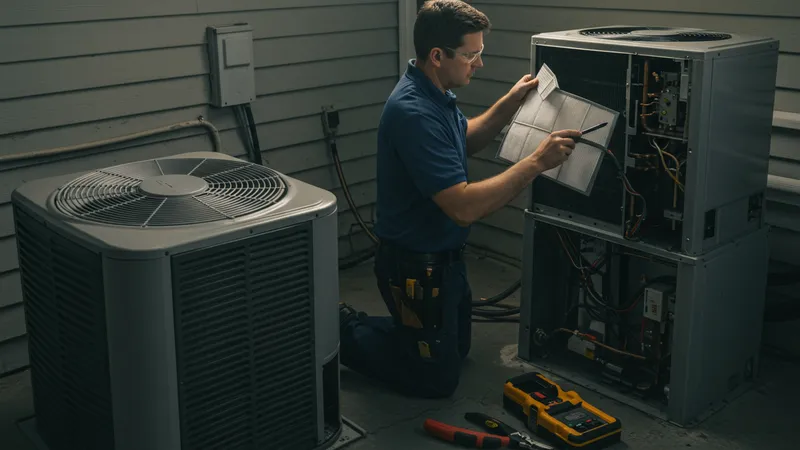
Preventive maintenance is often considered advantageous because it may reveal early warning signs of possible system faults. Indicators such as unusual noise, irregular cooling cycles, or increased electricity usage could be identified during these stages. Early identification of such issues allows for targeted upkeep measures that may help avoid unexpected breakdowns and higher repair costs at a later time.
Service technicians may also check and calibrate the controls and thermostat as part of the overall AC service process. Ensuring that these components are functioning as intended often improves user comfort and may enhance system response times. If calibrations or adjustments are needed, they are typically performed using manufacturer guidelines and precision instruments.
The protocols involved in AC service may also require documentation and reporting. After completing the maintenance process, a service provider typically supplies the property owner or manager with a record of the work performed. This record can include details of findings, components serviced or replaced, and any recommendations for ongoing upkeep. Clear documentation may support equipment warranty compliance and future troubleshooting efforts.
One widely discussed benefit of routine AC service is its potential contribution to improved system efficiency. When filters and coils are clean, and refrigerant is correctly charged, the air conditioner can often operate with reduced strain, which may lead to lower electricity usage. Industry studies and energy agencies, such as the US Department of Energy, suggest that well-maintained systems can use between 5% and 15% less energy for cooling under normal conditions.
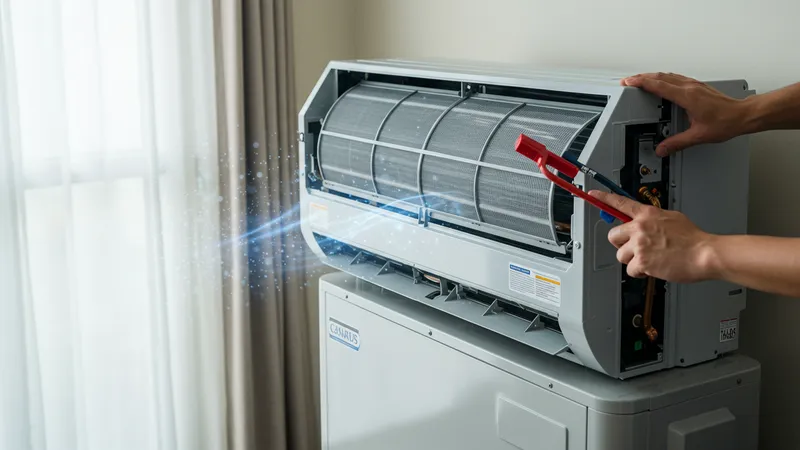
Regular maintenance may also play a substantial role in prolonging the functional life of an air conditioning unit. Dirt accumulation, unchecked refrigerant leaks, and other preventable issues can cause premature wear on components, sometimes resulting in breakdowns that are costlier to address. Addressing minor maintenance tasks regularly may help avoid the need for major part replacements or full system upgrades over time.
Indoor comfort is another aspect frequently linked to effective AC service. Properly maintained systems can provide more consistent airflow, accurate temperature regulation, and improved humidity control. These factors typically result in better occupant experience and may reduce the likelihood of discomfort due to uneven cooling or poor air circulation within the serviced environment.
Air quality concerns may also be partially addressed through routine AC service, particularly filter replacement and coil cleaning. Filters can capture airborne particles, while coil cleaning limits the potential for mold or dust build-up inside the unit. Though regular AC maintenance may contribute to a healthier indoor environment, it is important to note that it is only one element of a multi-faceted approach to air quality management.
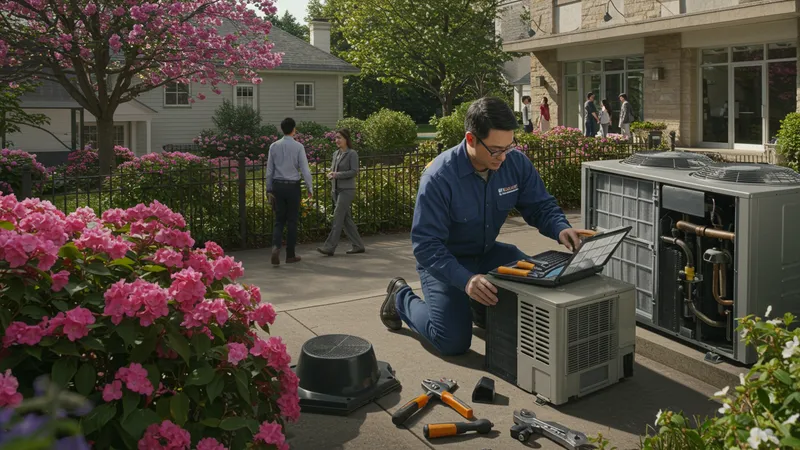
AC service typically involves a standardized set of methods and specialized tools. Filter changes can usually be performed by gently removing the access panel and replacing the contaminant filter with a compatible model. Coil cleaning often utilizes brushes, fin combs, or commercially available coil cleaner solutions designed to dissolve grime without damaging sensitive metal fins.
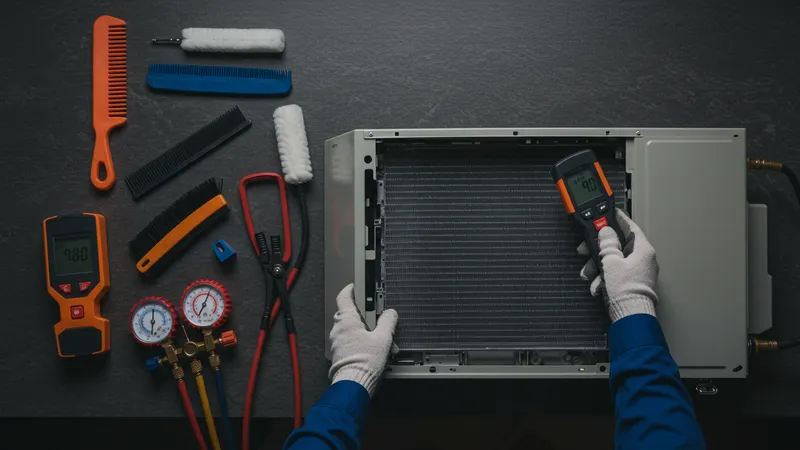
For refrigerant checks, technicians use pressure gauges and thermometers to compare system readings against manufacturer specifications. If refrigerant levels are low, additional checks for leaks are generally conducted using electronic detectors or ultraviolet dye techniques. Only certified professionals are permitted to handle refrigerants due to environmental safety protocols.
Some service visits may incorporate digital diagnostic tools, including electrical multimeters for evaluating connections and sensors, and smart HVAC analyzers that record operational metrics. The use of these instruments can enhance diagnostic accuracy, providing data about system cycling, voltage irregularities, or mechanical lag, informing subsequent service actions.
Drain line maintenance is another common step, with service personnel using vacuum pumps or flexible brushes to clear potential obstructions. Clogged condensation lines may cause water back-up and are a frequent source of service calls. Regular attention to this detail helps minimize the risk of moisture accumulation and property damage.
While AC service offers multiple potential advantages, there are practical considerations and limitations. Maintenance frequency should be tailored to system usage, occupancy level, and environmental conditions such as dust or airborne pollutants. For example, a home in a high-pollen area or a commercial building with significant foot traffic may require more frequent filter changes compared to less active or better-sealed spaces.
Service costs can vary depending on the unit type, service provider, geography, and the inclusion of replacement parts or advanced diagnostics. Many HVAC specialists offer fixed-rate annual maintenance plans, whereas ad hoc service visits may incur variable costs. Property owners and facility managers may review plan details and compare typical price ranges to select an appropriate approach for their needs.
Another consideration involves equipment age and warranty terms. Older AC systems might require more extensive or frequent maintenance, and manufacturers sometimes outline specific service intervals as a condition of equipment warranties. Failure to adhere to these requirements may affect future claims or coverage eligibility, so retaining detailed service documentation is recommended.
Routine AC service does not address every possible contingency, such as unforeseen breakdowns due to component defect or power surges. While professional maintenance can help reduce the likelihood of certain issues, some repairs may still become necessary as the system ages. Ongoing awareness and a proactive approach to maintenance, combined with professional support, can help manage expectations and support consistent performance.